TPG -50% Sign-Up: how a strong offer dies in a weak funnel
Michael BogatyrevDigital Marketing · 18 August 2025
This wasn't my first hassle with TPG, so this time I tracked the whole UX journey to share it.
GoalMy goal was to move my two mobile plans from Telstra to TPG, since it looked like I could cut my costs by more than three times.
ResultI found 8 blockers killing conversion and rocketing support costs.
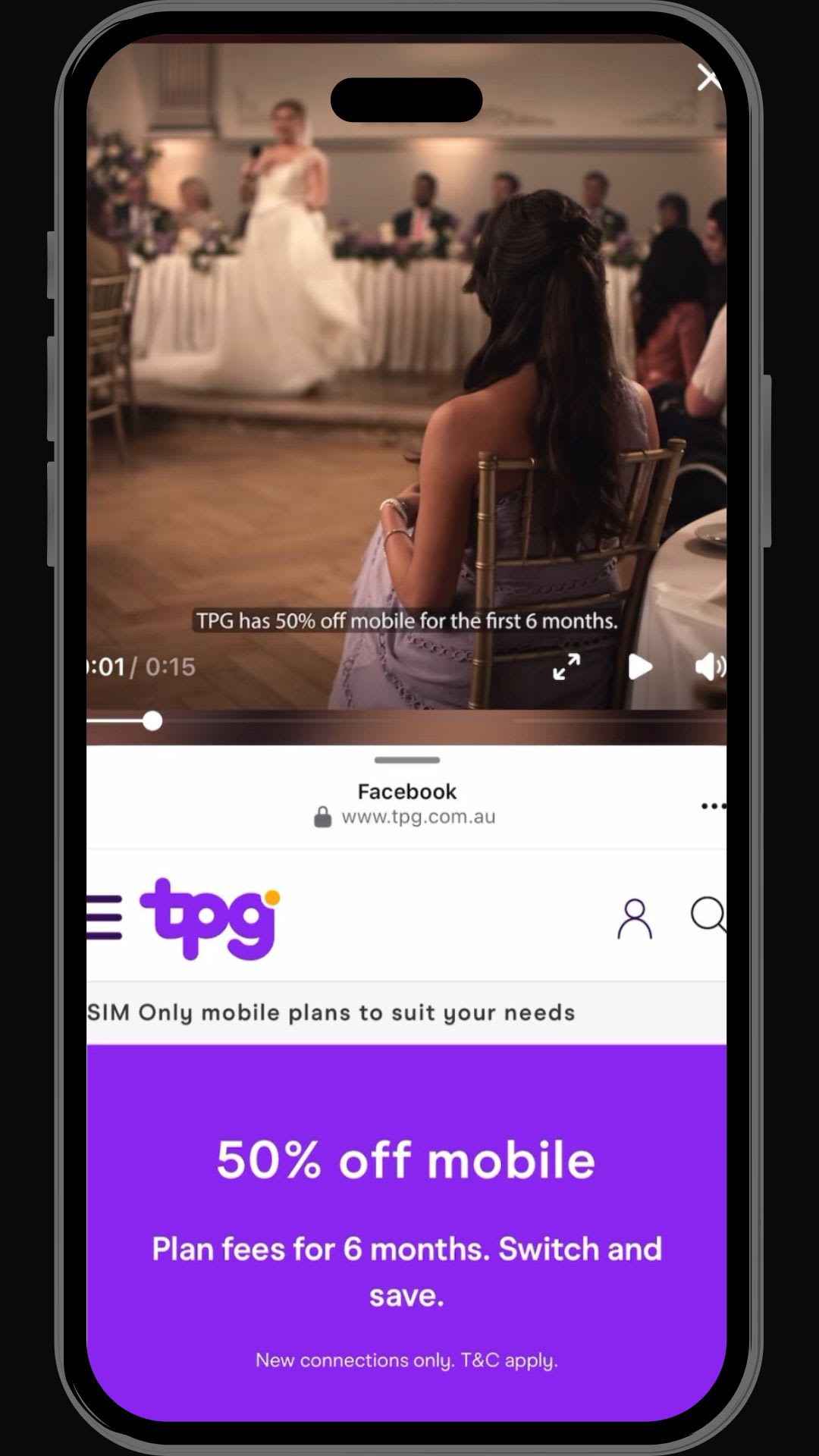
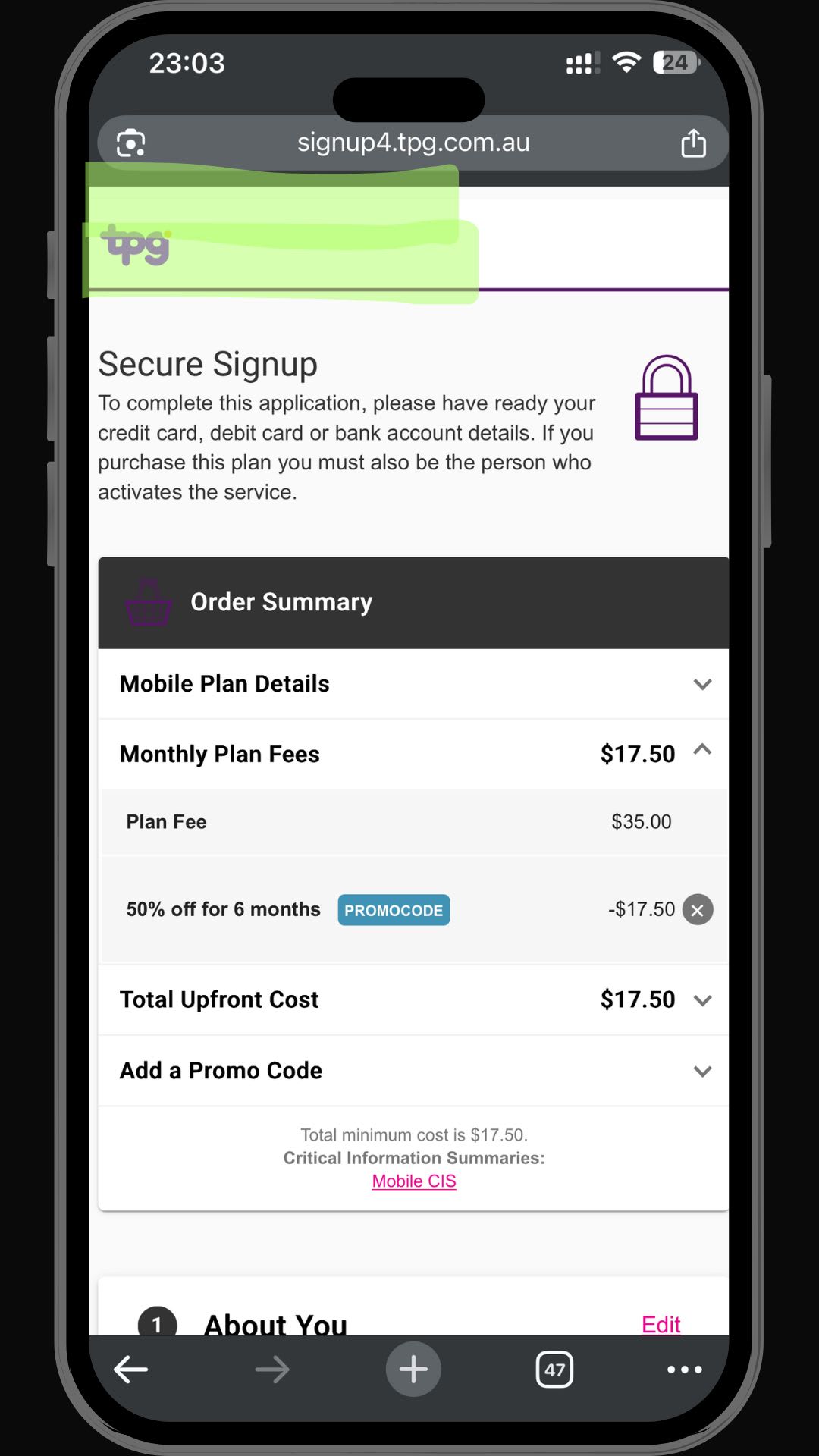
Hero: TPG promo ad + first 'Secure Signup' screen
TL;DR
Existing customers are forced to create new accounts.
There is no clear choice between eSIM and SIM.
No Back button. Progress is not saved.
Errors use technical codes and give no next step.
No live chat at the moment of need.
Many users will drop sessions and finish with an experience friendlier option.
1) Ad → wrong entry for existing customers
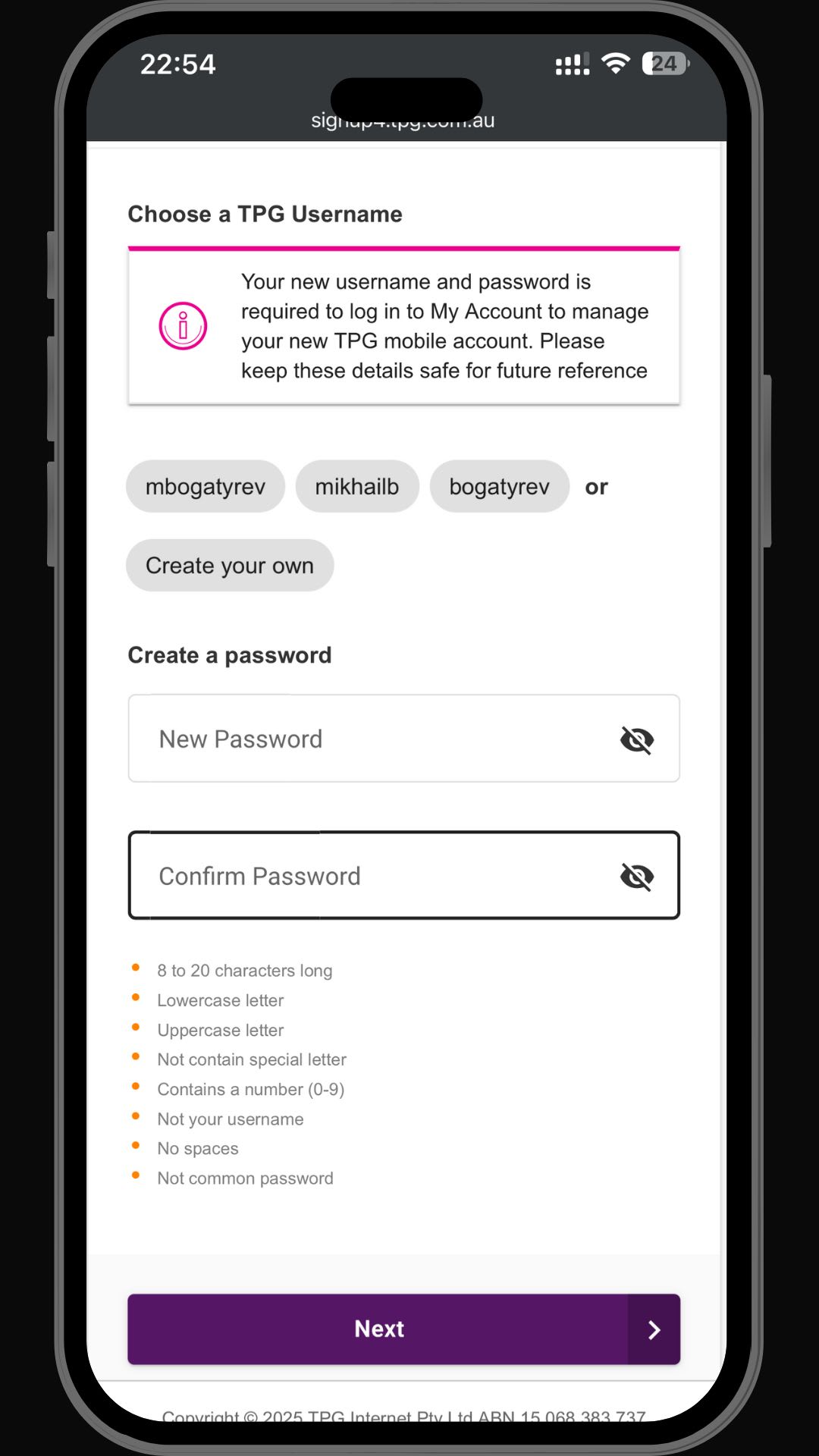
ProblemI click the ad and the flow assumes I am new. It blocks sign-in with my current email and I'm stuck for the first time.
First screen forces creation of a new username instead of offering sign-in.
FixOffer two primary paths on step one: I'm new and I already have TPG account. Allow guest until payment. Suggest sign-in for linking the account at confirmation.
Baymard research shows that delayed account creation can improve conversion by 45%. Users prefer to complete purchases before creating accounts.
2) No clear choice between eSIM and SIM
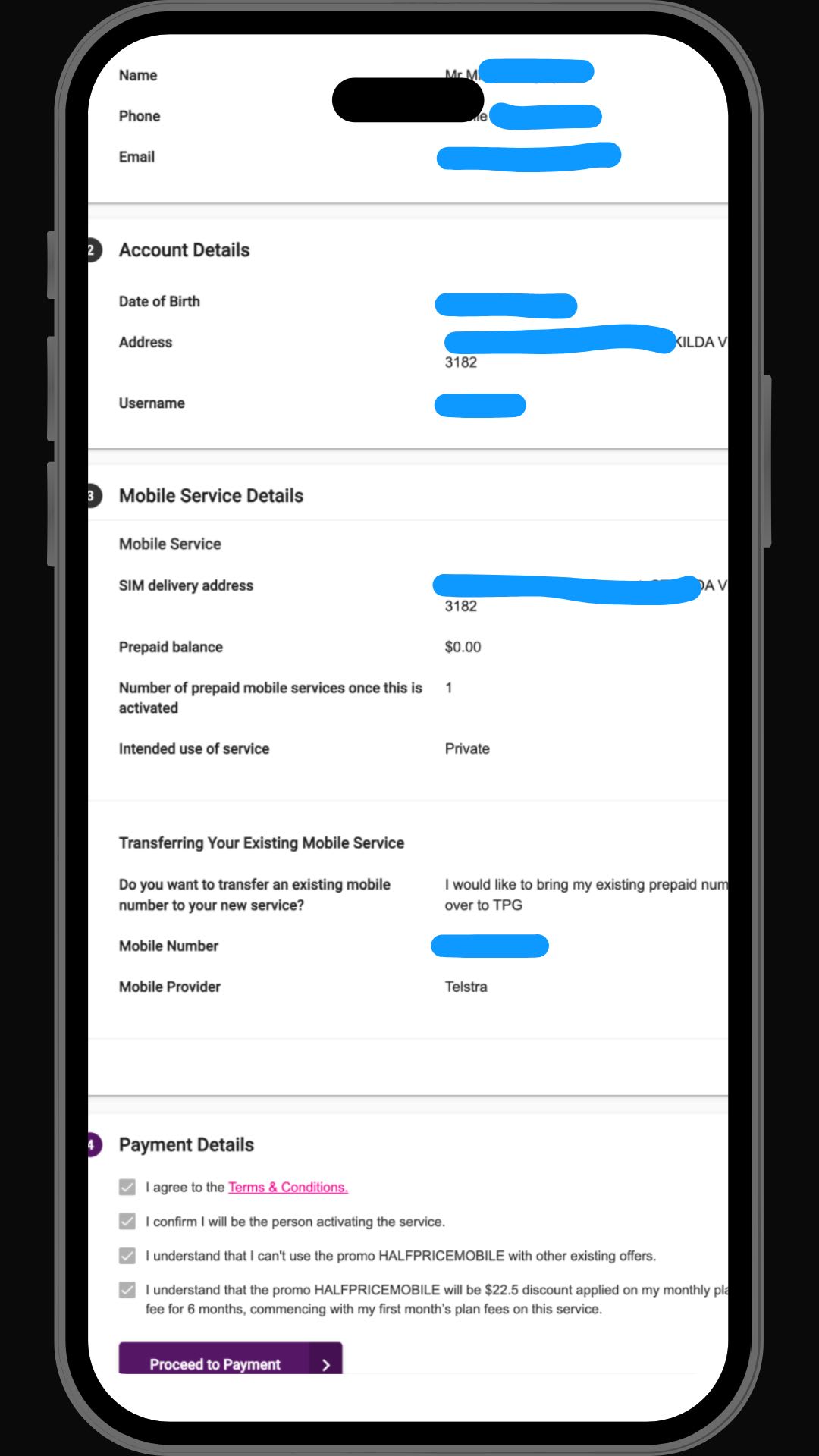
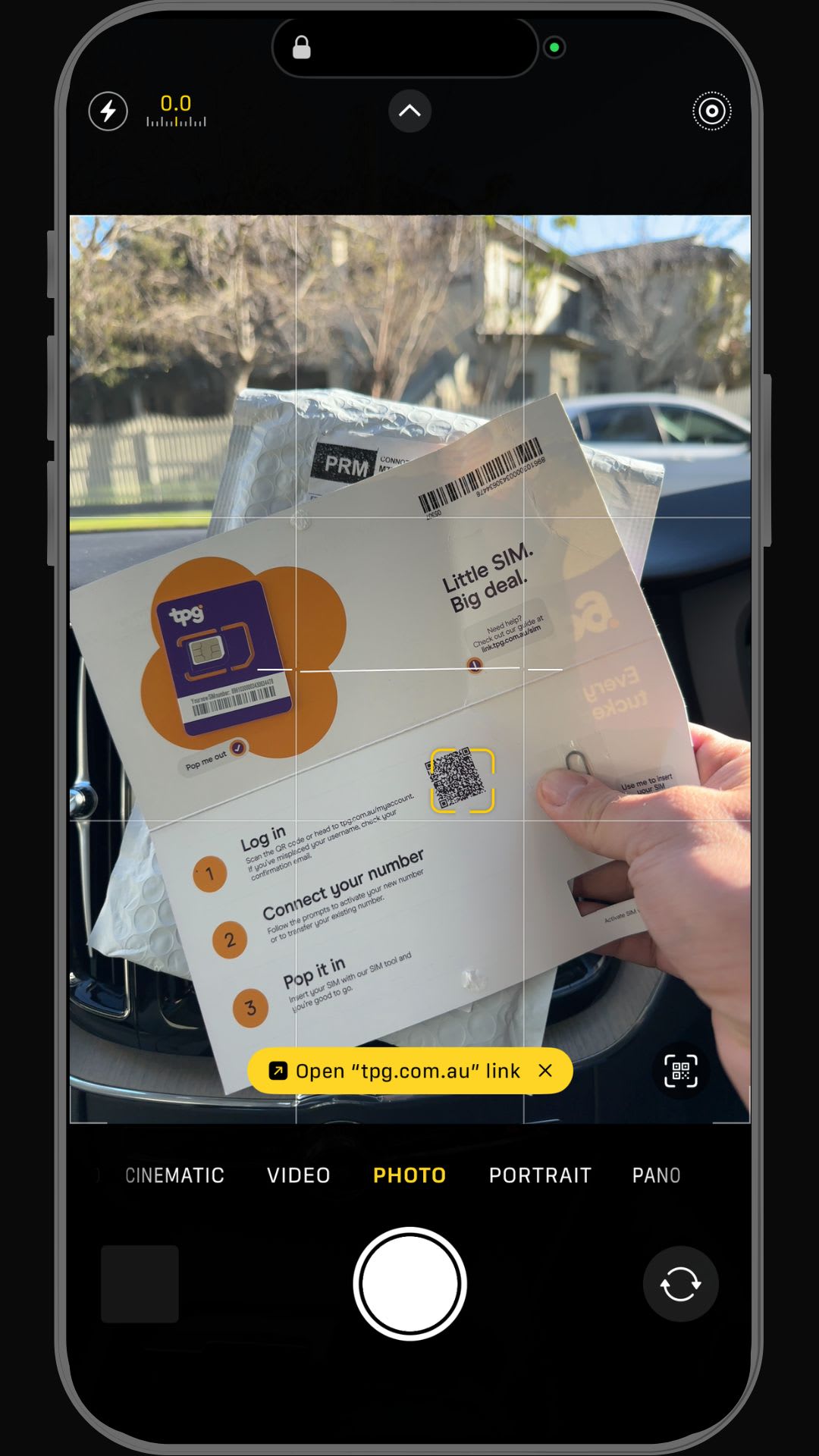
ProblemCheckout never asks to choose eSIM or a physical SIM. Therefore, I will receive plastic SIMs by default, while I need eSIM.
FixAdd visible radio buttons eSIM / SIM with a short comparison and clear promise: "eSIM activates in 5–10 minutes." Allow changing the type before fulfillment.
eSIM: Digital, instant activation (5-10 min), no shipping Physical SIM: Requires shipping, 2-3 days delivery, manual insertion
3) No Back button, no progress save
ProblemThere is no Back button. If I get an error message - I'm stuck.
Step without a Back button and no progress indicator.
FixUse a stepper with Back and autosave. This gives control and reduces errors.
User control and freedom: Users often choose system functions by mistake and need a clearly marked "emergency exit" to leave the unwanted state.
4) Error states speak in codes
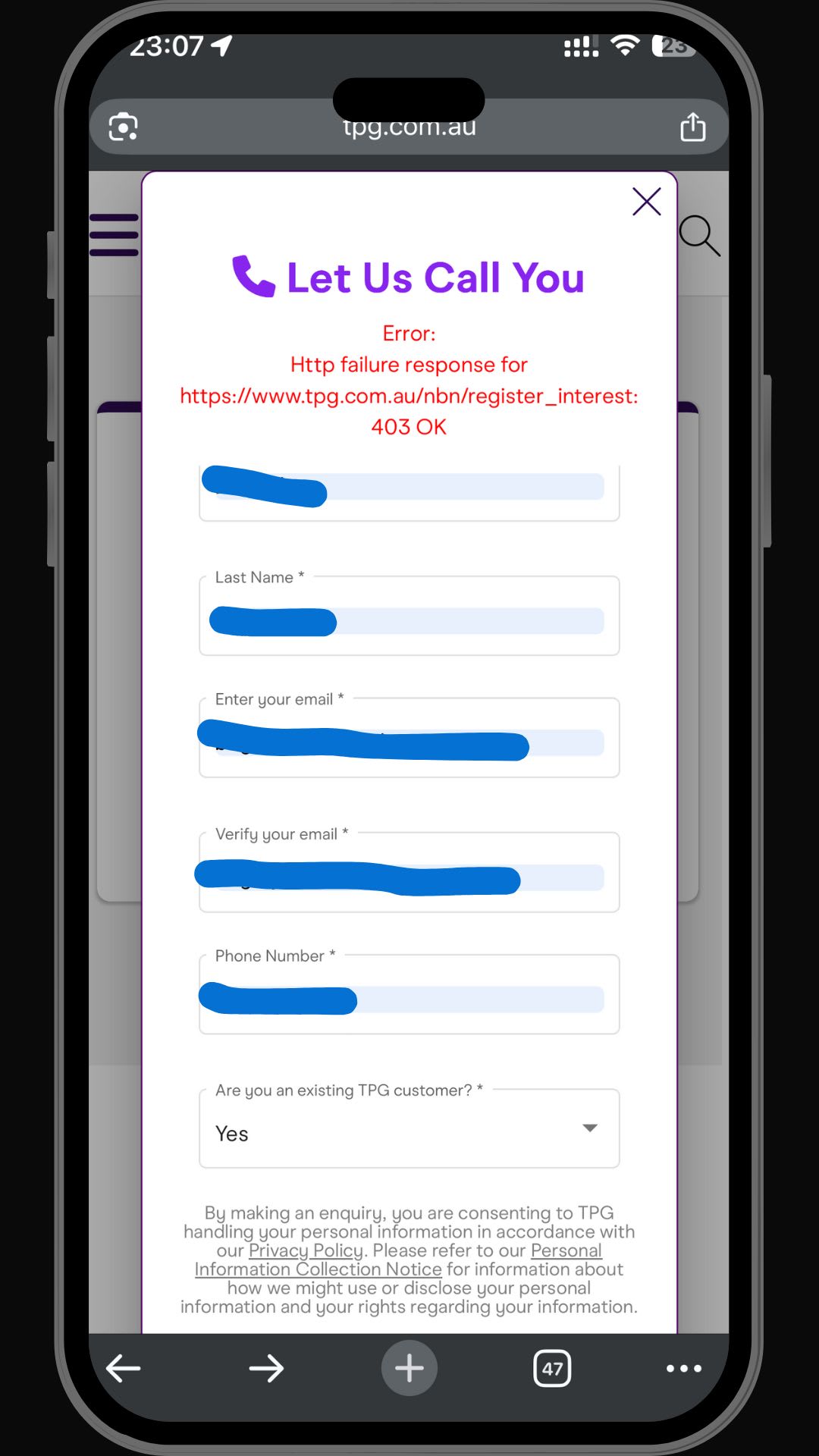
ProblemI hit 403 Forbidden with a support ID. It does not explain what to do. VPN seems to cause it.
403 page with cryptic text.
FixReplace with human copy: "Your connection looks like a VPN. Turn it off or try mobile internet. If the issue stays, call 1300… or open chat."
Good error pages explain what happened, why it happened, and what users can do next. They use plain language instead of technical codes.
5) Validation only after submit
ProblemErrors appear after submit. Time is wasted.
Field that errors only after submit.
FixUse inline validation. Show messages near fields right after input.
Inline validation helps people complete forms faster, with fewer errors, and more satisfaction according to A List Apart research.
6) Support mismatch
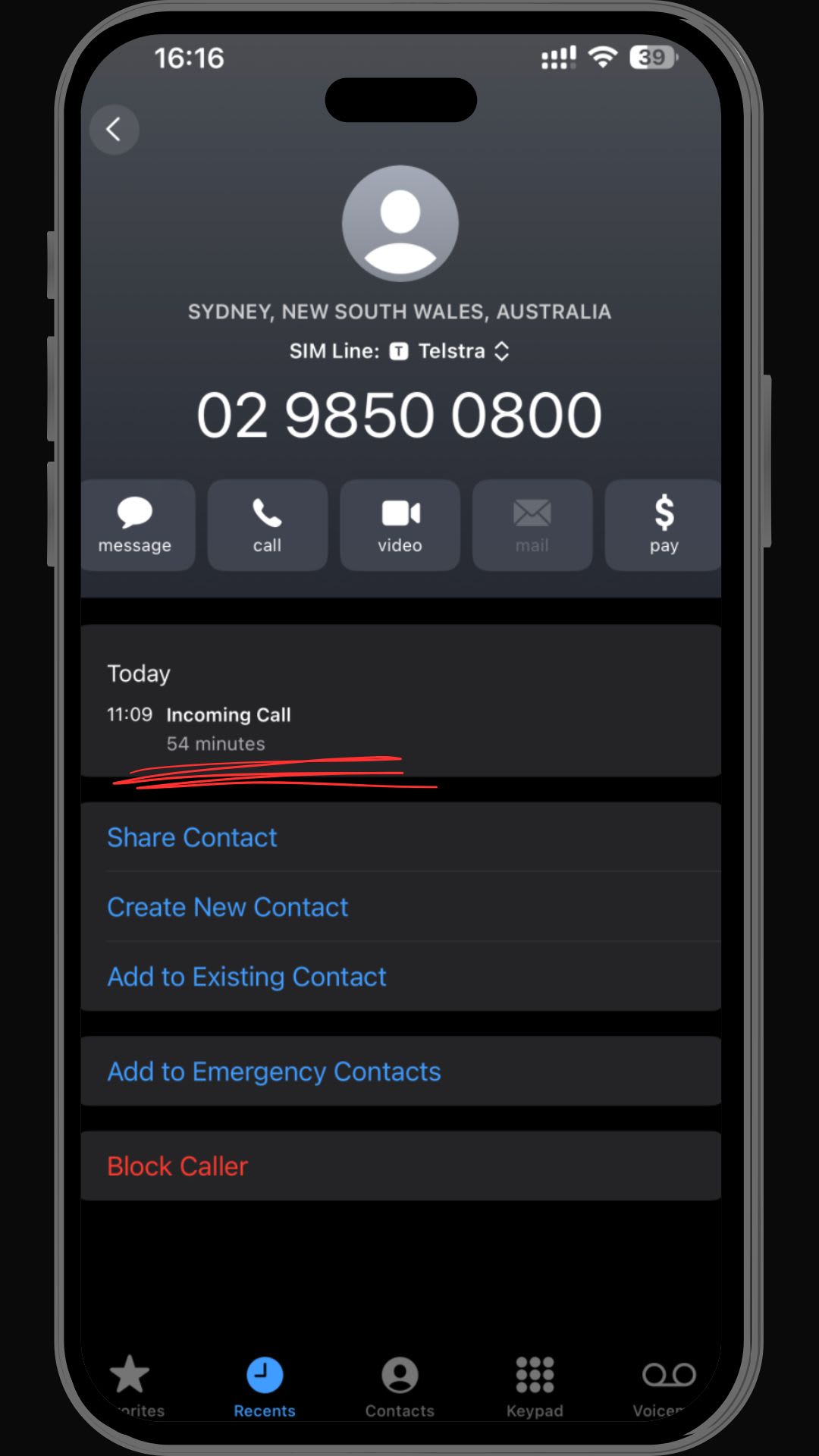
ProblemNo live chat on website. The hidden chat support option appears on the "Deal" page only.
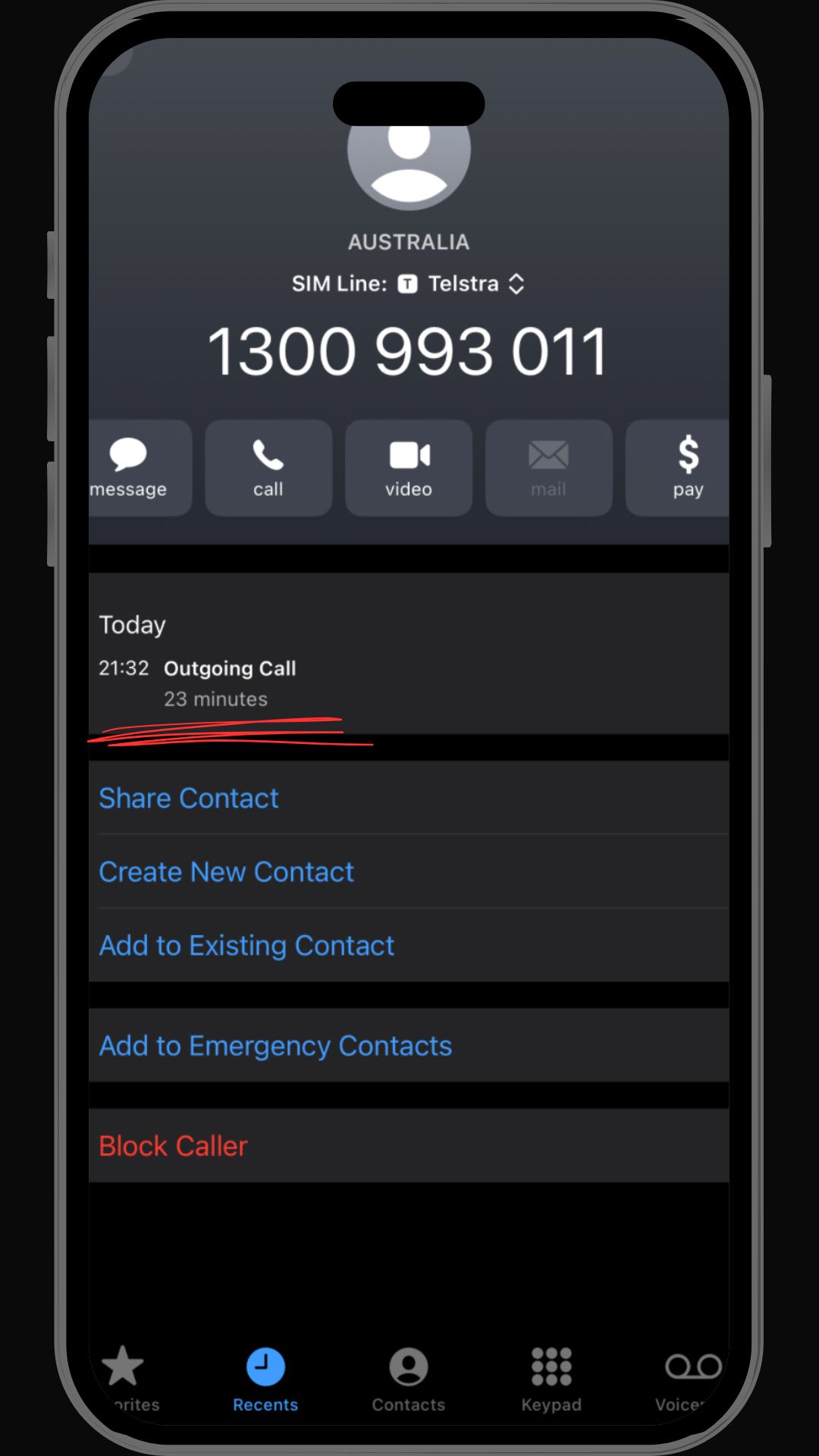
Support dropdown without live chat; call log total 77 minutes.
FixEmbed chat support on any page with AI first to route enquiries to the right human and porting steps. Show expected wait. Keep "Call me back" as a fallback that works even with VPN.
7) Post-payment states are broken
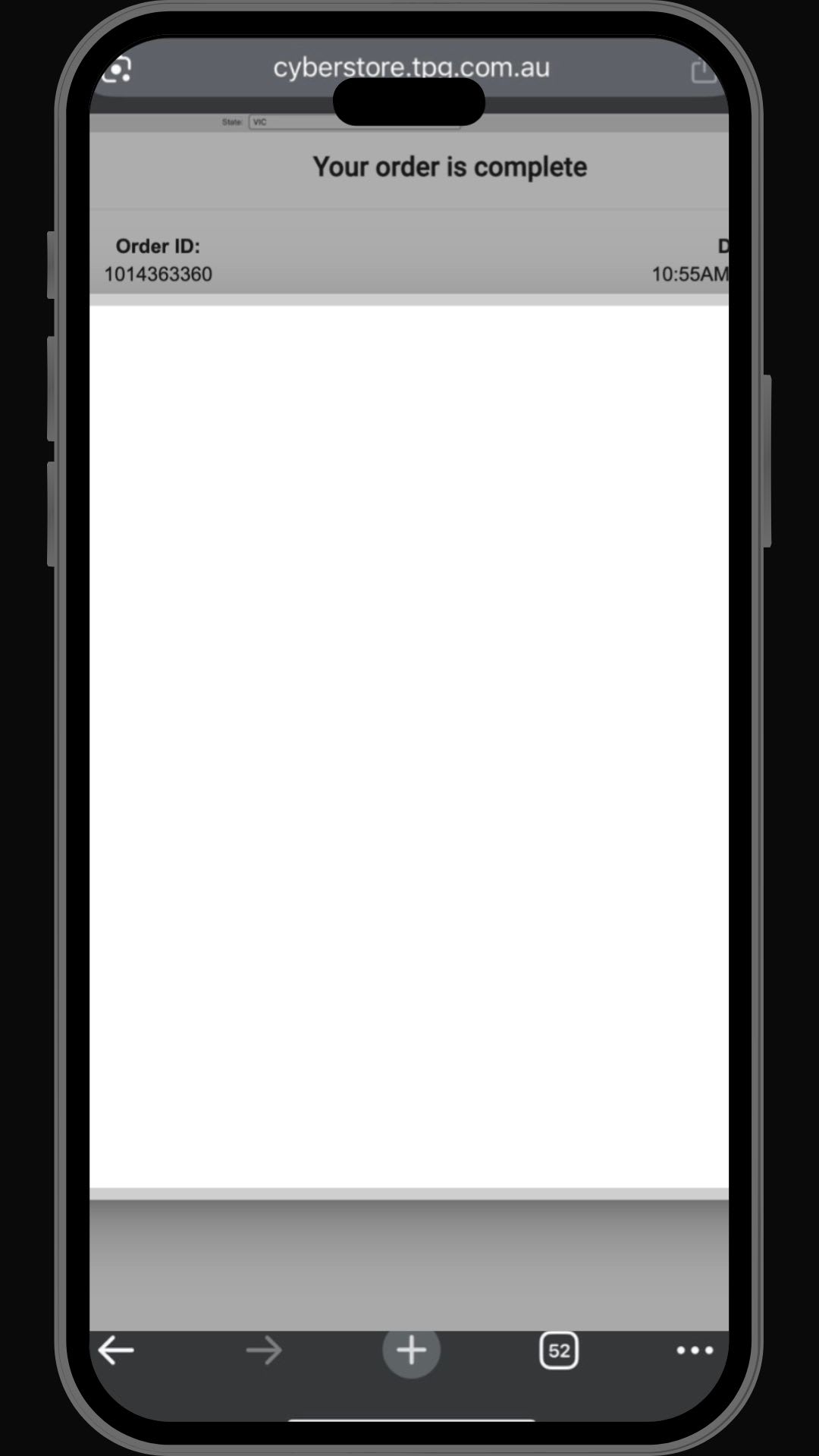
ProblemI reach "Order is complete," then see an empty modal and a forced redirect.
Blank success modal and 'Something went wrong' overlay.
FixClean success and failure pages. On success show order number, next steps, and links to manage the order. On failure keep cart, show retry, and show support options.
8) Account sprawl instead of one TPG ID
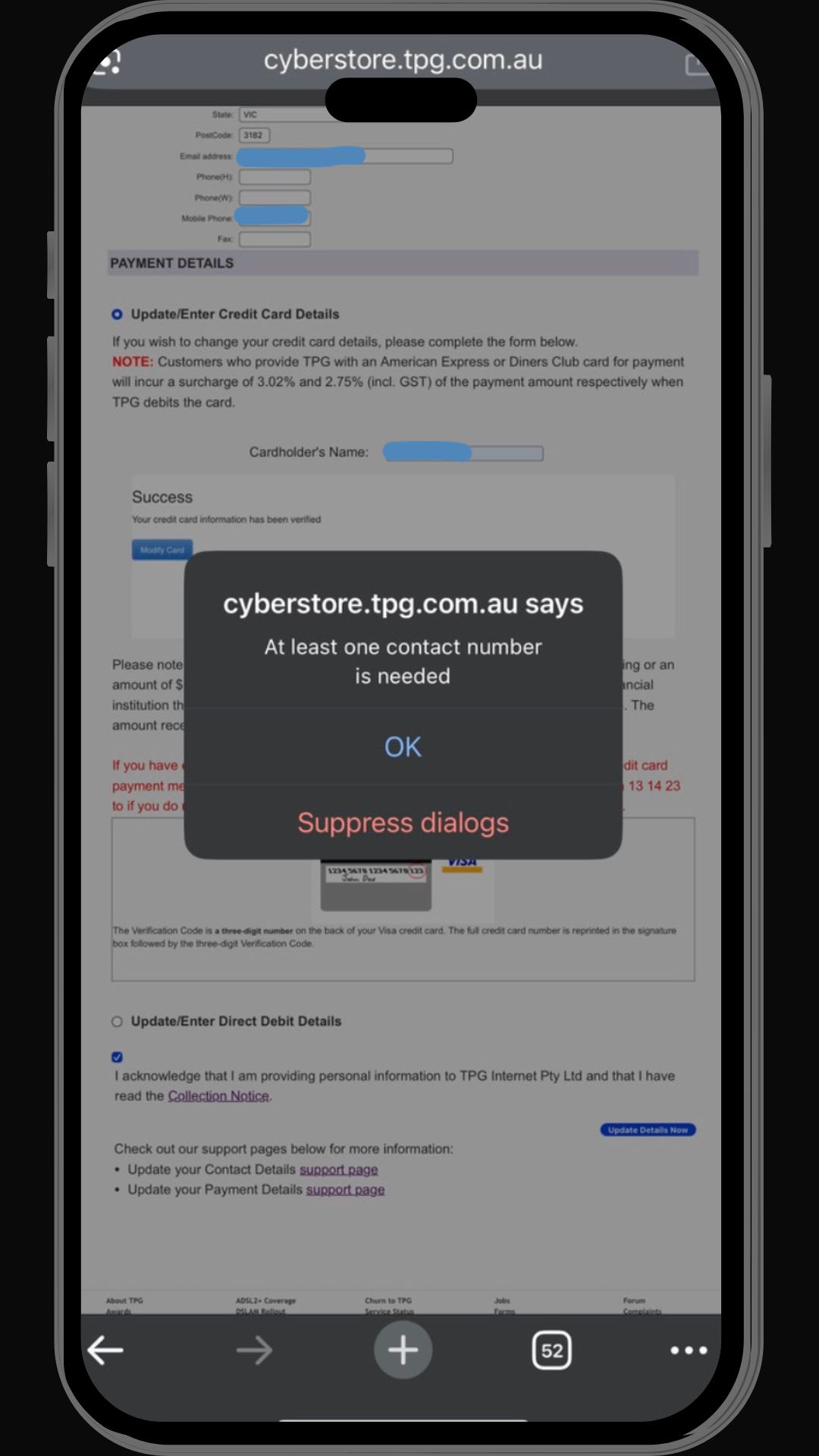
Problem23 minutes spent to confirm that I cannot merge services. I now have 3 accounts for nbn account and 2 mobile numbers, all separate.
Support time to confirm that services cannot be merged.
FixMove to one TPG ID. Add "Link a service" via SMS code. Show all plans and bills in one place.
Impact model: revenue on the table
Assumptions to show the order of magnitude. Adjust when real traffic is available.
50,000 paid-traffic visits to mobile plans per month
Current funnel completion: 3%
Average margin for modeling: $10 / month per line
Average retention: 12 months
Fix just three points: returning-customer entry, eSIM choice, human errors with inline validation. My experience suggests +10–30% relative conversion when you remove forced sign-ups. Use +15% relative as a middle value.
From 3.0% to 3.45% completion
Extra orders: +225 per 50,000 visits
Extra gross margin: 225 × $10 × 12 = $27,000 created this month in lifetime value
If you reach +25% relative, the upside is about $45,000 per month of lifetime margin created this month.
Scenario
Conversion Rate
Extra Orders
Monthly LTV Created
Baseline
3.0%
0
$0
+15% improvement
3.45%
+225
$27,000
+25% improvement
3.75%
+375
$45,000
Operational cost of conversion issues
Operational costs saving
Today both sides spend hours. Customer spends 2–3 hours across retries and calls. Support spends 20–60 minutes per problematic order.
Assuming support cost $35/hour and 1,000 problematic orders per month. Even 30 minutes per order is 500 hours which is $17,500 monthly. Add postage of SIM waste for wrongly shipped physical SIMs.
What "good" looks like
Prominent guest/returning choice and delayed account creation.
Inline validation and human labels.
Plain language errors with steps to fix, plus an error summary on top.
Measurements which will help you to indicate fails on your early steps:
Funnel conversion by step and time-to-complete.
Error taxonomy counts: VPN blocks, SIM/eSIM changes, field errors.
Support AHT, re-contacts per order, Cancellation rate, Abandoned sessions
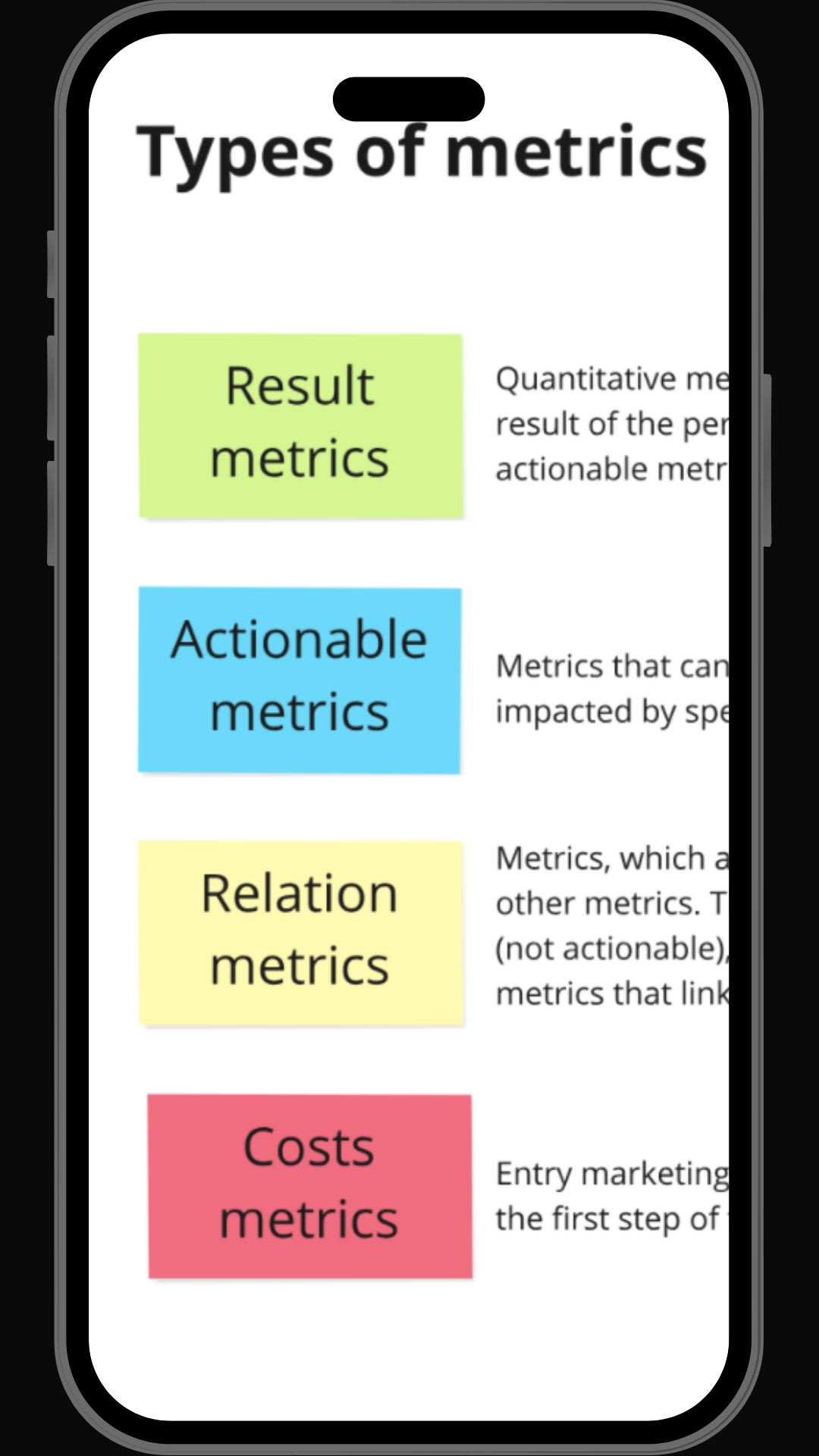
A framework for choosing the right metrics to track


Comments
No comments yet. Be the first.